

Shell climate case: Energy security, affordability are foundation of climate progress and industry growth – Kapinga

…as Shell faces a new climate litigation case in the Netherlands for developing oil and gas projects worldwide.
By Ndubuisi Micheal Obineme
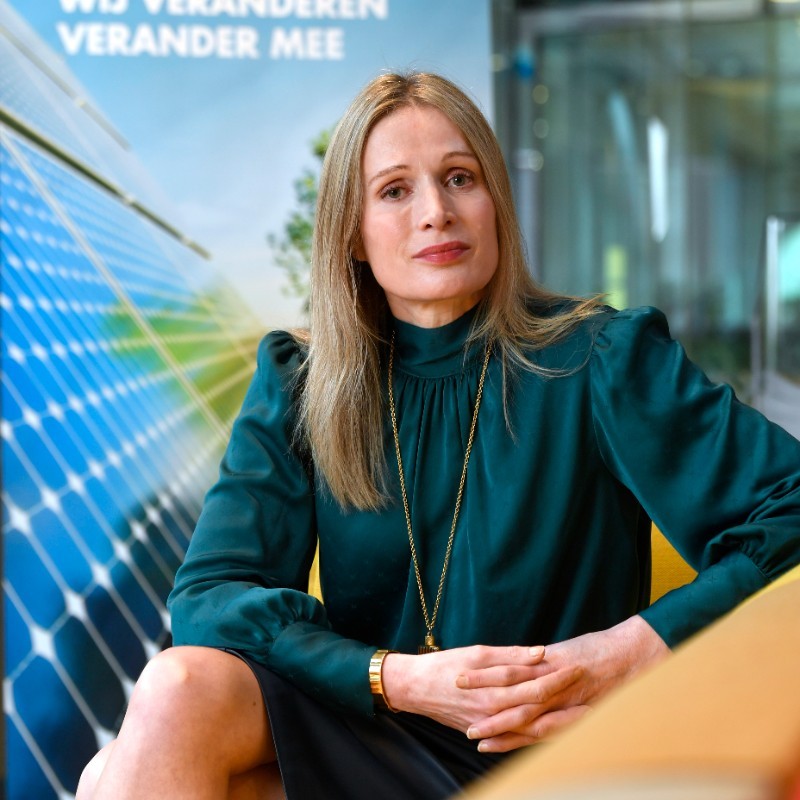
Saskia Kapinga, Shell’s Vice President of External Relations, has responded to the Dutch NGO Milieudefensie’s climate litigation case, in which the NGO is demanding that Shell cease investing in, trading, and developing oil and gas projects.
In a statement obtained by The Energy Republic, the Milieudefensie, also known as ‘Friends of the Earth Netherlands’, has threatened Shell with a new litigation case in the Netherlands, which includes stopping Shell from selling or transferring oil and gas fields and seeks additional emission targets.
Recall Shell had won a landmark climate judgment in November 2024, filed by the same Dutch NGO, which in 2021 had ordered the company to reduce its greenhouse gas emissions by 45 per cent by 2030.
How Shell won the 2021 court case
In May 2021, the Hague District Court ruled that Shell must reduce its greenhouse gas emissions by 45% from 2019 levels by 2030. The case was brought against Shell in 2019 by Milieudefensie, an environmental campaign group and the Dutch branch of Friends of the Earth, alongside six other bodies and more than 17,000 Dutch citizens.
The 2021 District Court ruling was the first time a court had ordered a private company to comply with global climate policy as outlined in the 2015 Paris climate agreement.
The verdict, which came when Shell had its headquarters in The Hague, also said the company was responsible for all emissions across its value chain, including those from the products they sell — known as Scope 3 emissions.
However, Shell appealed the 2021 decision and subsequently moved its headquarters to the UK, a relocation that was criticized for being partly motivated by the courtroom defeat. The Hague district court ruling had only been legally binding in the Netherlands.
In Shell’s appeal case, the company argued that the case had no legal basis.
Shell’s lawyers said demands for companies to curb greenhouse gas emissions could not be made by courts, but only by governments, Reuters reported.
Following several hearings, the Dutch Appeal Court in the Hague reversed the decision on Tuesday, 12th November 2024, stating that while Shell is required to reduce its emissions, “there is currently insufficient agreement on a specific reduction percentage that an individual company such as Shell should adhere to.“
The appeal court in The Hague said that while Shell is required to reduce its carbon emissions, it could not determine the extent of these cuts. The case against Shell, therefore, was dismissed entirely.
“The court of appeal denied the claims of Milieudefensie because the court was unable to establish that the social standard of care entails an obligation for Shell to reduce its CO2 emissions by 45%, or some other percentage,” the court said in a statement.
Furthermore, the appeal court said that urging Shell to drastically cut its Scope 3 emissions by a specific percentage was “ineffective” because other companies could step in to take over that trade, and “this would consequently not result in a reduction in CO2 emissions.”
Second Litigation Case of Milieudefensie against Shell
In a letter sent to Shell On 13 May 2025, the Dutch NGO Milieudefensie accuses Shell of breaching its legal duty of care under Dutch law by not dramatically reducing its investments in fossil fuels and not putting in place what it considers an adequate climate strategy for the coming decades.
“Unfortunately, Milieudefensie has chosen to pursue legal action rather than engage with practical, real-world solutions,” Saskia Kapinga, Shell’s Vice President External Relations, said in a statement.
“These demands are extreme and fundamentally flawed. They would violate the rights of many countries and partners that Shell works with around the world to make their own decisions about their energy mix.
“And to be clear: it is up to governments, not groups of activists, to decide how they develop their natural resources.”
Saskia stressed that the foundation of climate progress and industry growth depends on reliable and affordable energy, which are also essential for economic productivity.
“In the current context of geopolitical tensions and economic shifts, one constant is clear: Energy sits at the heart of it all,” she explained, adding that reliable and affordable energy is essential for economies and industries to function, as well as meet the energy demands of the people.
She added, “Energy security and affordability are the foundation of climate progress.
“If people’s basic and rising energy needs are not met, public support for climate action will erode. Only by delivering both can we maintain societal trust, protect economic resilience, and keep the momentum needed for climate progress.
“We are confident in our legal position and will continue to focus on delivering practical solutions for a balanced energy transition.
“We will also continue the societal debate with all stakeholders on important issues such as the energy transition.”
The case is now at the Dutch Supreme Court.