

Courage is needed to build a more secure, competitive energy future – Bruch, Siemens Energy CEO

By Ndubuisi Micheal Obineme
…calls for more investment, industrial capacity and execution as geopolitics, AI and climate change reshape the global energy system.
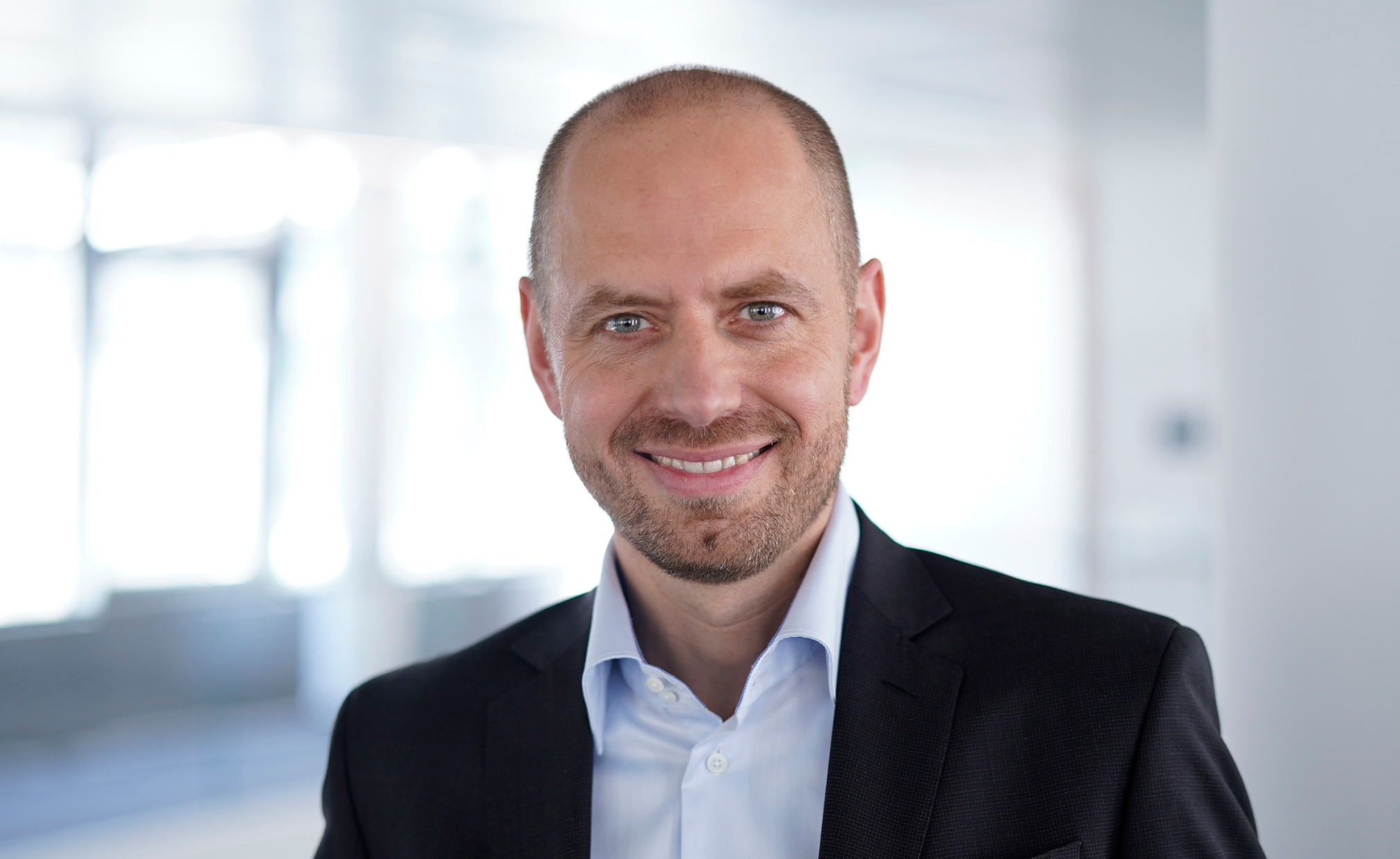
The global energy system is entering an era defined by unprecedented uncertainty and opportunity, requiring governments, industry and investors to act with greater courage, Dr. Christian Bruch, President and CEO of Siemens Energy, said at ONS 2026 in Stavanger.
In his opening address, Bruch highlighted the profound changes since the previous ONS in 2024, including growing geopolitical fragmentation, attacks on critical infrastructure, the rapid adoption of artificial intelligence, accelerating renewable energy deployment and the continued rise in global temperatures.
“We are living through an era of extraordinary risks and extraordinary opportunities,” Bruch said. “The world is becoming more fragile and more capable, more dangerous and more inventive. This is the world in which we have to lead.”
Bruch framed courage as the defining requirement for the energy sector — not as a slogan, but as the willingness to make difficult decisions and act despite uncertainty.
“Courage means tackling the hard stuff. Courage means making decisions before all answers are available. And courage means not reacting to change. Courage means shaping the future.”
Energy security and national security are increasingly interconnected.
Speaking further, Siemens Energy CEO says geopolitics, technology, climate, finance and leadership stands as five forces shaping the energy sector, with a common question: Do we have the courage to act?
He emphasized that the security of energy systems and critical infrastructure has become increasingly intertwined with national security.
“We see it in Ukraine. We see it in the Middle East. We see it wherever critical infrastructure becomes a strategic target,” Bruch said.
The changing geopolitical environment, he argued, means energy policy can no longer be considered separately from questions of resilience, security and strategic industrial capacity.
AI is creating a new demand for energy infrastructure.
Bruch also highlighted the extraordinary speed at which artificial intelligence is transforming economies and societies.
But the AI revolution will depend on a physical energy system capable of supporting it, he stated.
“Artificial intelligence is transforming economies at extraordinary speed, but AI alone is not running on algorithms. AI needs power, and power needs lots of equipment.”
As demand from data centers and other energy-intensive applications grows, Bruch called attention to the infrastructure and investment required to connect new sources of generation and deliver reliable electricity where it is needed.
“Innovation matters, but execution decides who wins.”
Climate change demands continued action.
He stressed that the physical evidence of climate change reinforces the need for continued action to transform the global energy system.
“Climate change does not negotiate, and it does not wait,” he said.
In addition, he said the energy transition must address both decarbonization and the need for reliable, affordable and competitive energy — ensuring that climate ambition is matched by the ability to build the infrastructure and industrial capacity needed to deliver it.
Capital must translate into projects and infrastructure.
Global energy investment is expected to reach approximately $3.3 trillion in 2026, he said, stressing that investment alone is not enough.
“Capital is moving, but capital alone does not build the future. Execution does.
“Turning capital into new generation, grids, storage, industrial facilities and other energy infrastructure will require faster decision-making, strong partnerships and the ability to execute large-scale projects.”
Competitiveness must be part of the energy transition.
Bruch said the energy transition must strengthen industrial competitiveness rather than undermine it.
“We must choose competitiveness over industrial decline, investment over hesitation, industrial capacity over dependency, resilient supply chains over vulnerability.”
This means building the industrial capabilities, infrastructure and supply chains required to support a secure and competitive energy system while continuing to accelerate decarbonization.
Bruch called for closer cooperation between governments, industry and investors to create the conditions for long-term investment and innovation.
“The greatest risk facing us today is hesitation”
Concluding his address, Siemens Energy CEO urged the energy sector to focus on action rather than being distracted by uncertainty.
“There’s a lot of noise in the world today, but leadership means focusing on what matters — focus on the signal, not on the noise.”
He called on participants at ONS 2026 to challenge assumptions, have difficult conversations, build new partnerships and turn ambition into action.
“The world needs more energy, more resilience, more infrastructure, more cooperation, and above all, more courage,” he reiterated.
“But the greatest risk facing us today is hesitation,” he explained, noting that the future is shaped by those who dare to build it.”