
Europe needs molecules, electrons, and biomethane to drive the energy transition – Duvieusart

By Ndubuisi Micheal Obineme
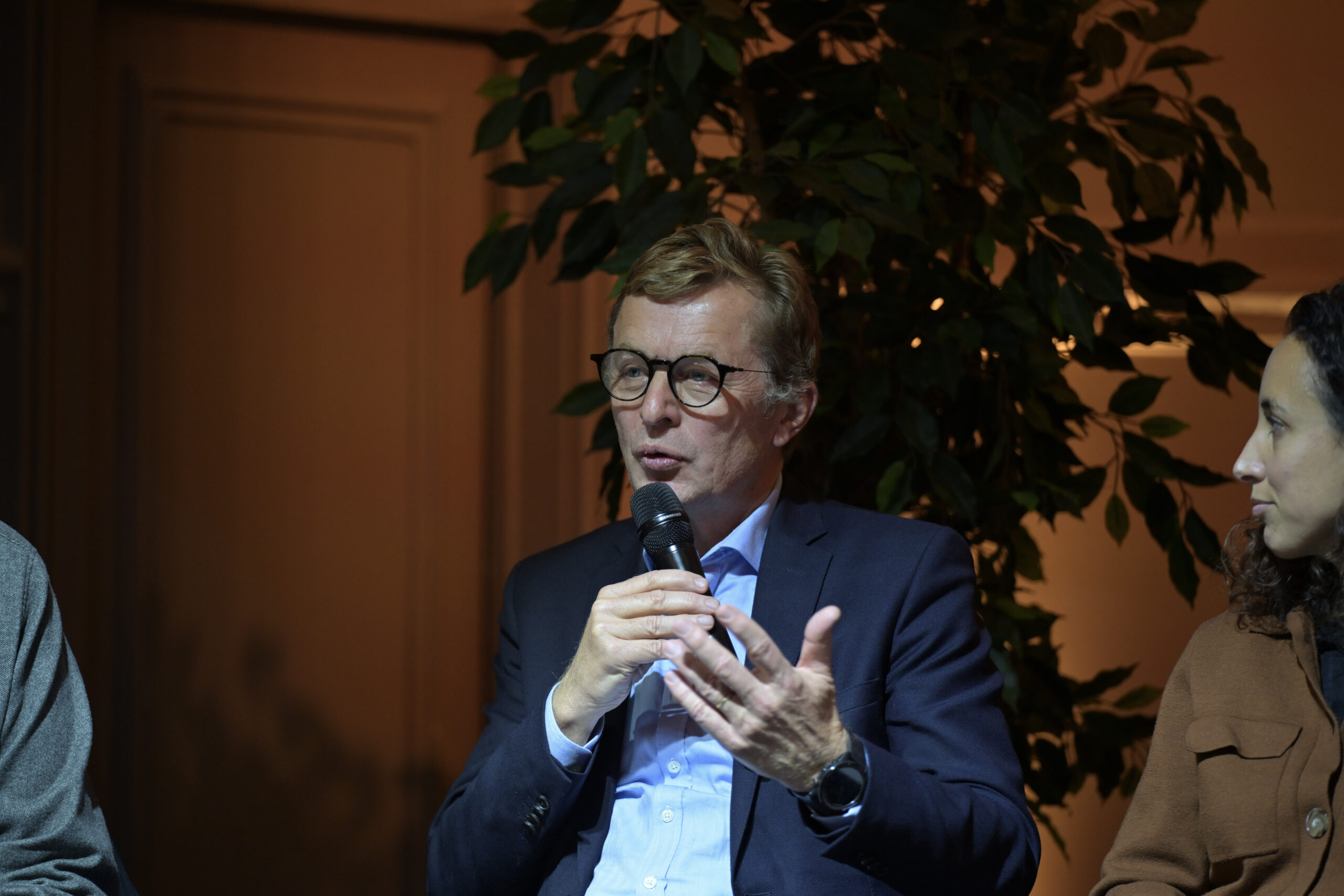
As Europe pushes for electrification, ENTSOG President and NaTran Deputy Managing Director Pierre Duvieusart says molecules—including biomethane—will remain essential to the energy transition.
He stressed that electricity and gas complement each other and they are used where it delivers the greatest value to the energy system.
“Electrification is essential, but molecules also play a role. Gas offers high energy density, can be stored at scale, and helps strengthen the resilience of the energy system,” Duvieusart told delegates at the 1st Gas Meetings for Industrial Decarbonization in Paris.
He acknowledged that the energy transition is already reshaping Europe’s energy mix on how energy is produced, transported, purchased and consumed. While some European countries are also adopting low-carbon energy sources, driven by energy security concerns and political choices.
He said the existing infrastructure is designed to meet market needs, even though the transition will require changes to how gas networks operate.
Duvieusart said biomethane offers operators a valuable opportunity to use existing gas networks and storage facilities.
“It also brings new kinds of assets, such as injection stations and reverse-flow stations, and new ways of operating the network.
“Biomethane is the same molecule as natural gas. It uses the existing network and benefits from seasonal storage capacity.
“Customers, whether households or industry, can use it without replacing their equipment, which is a major source of value,” he explained.
He said France’s biomethane sector is growing rapidly, with around 16 TWh of capacity already connected to the country’s gas network.
However, he noted that not every European country has made the same political commitment to biomethane.
According to him, Denmark and France are clearly ahead at the moment, while Germany, Ireland, Poland and other European countries are renewing their commitments on biomethane projects.
At the European level, he emphasized the need to harmonize guarantee-of-origin systems for biomethane, which are currently complex to navigate across countries.
Duvieusart therefore called for full recognition of biomethane, urging policy makers to provide an enabling enviornment that reflects its contribution to the European energy mix.
He stressed that every energy carrier should be used where it adds the most value.
Speaking on hydrogen, he said gas transmission operators can play a key role in building an European hydrogen economy.
He says ENTSOG and the operators work together to map out the networks and develop the codes governing hydrogen operations, including how different flows are managed.
Duvieusart said Germany is leading the way and existing pipelines are being converted to carry hydrogen. The Netherlands, meanwhile, has already begun building a hydrogen network under its national plan.
“Many existing assets can be adapted to carry it, and operators already have the expertise to manage the gas systems of the future.
“Large volumes are already consumed as feedstock in the chemical and refining industries.
“The technology is already in place; the main hurdle now is securing funding.
“We’re committed to decarbonizing our industry, and we have plenty of projects in the pipeline,” Duvieusart added. “The challenge right now is making the economics work and finding the right ways to finance and invest in infrastructure for CO₂ and other products.”

