
“IAE 2026 promotes African upstream, gas, power, energy transition strategies” – Nadine Levin, ECP Portfolio Director

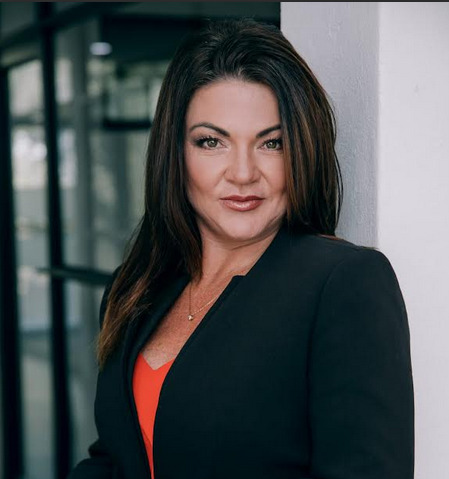
As preparations are gearing up for the 2026 edition of Invest In African Energies (IAE) Conference in Paris, Ndubuisi Micheal Obineme, Managing Editor, The Energy Republic, talks to Nadine Shone Levin, Portfolio Director, Energy Capital Power, organizer of the IAE conference, in an exclusive interview, where share outlined the success stories from previous editions, deliverables of IAE 2026, coupled with the new expanded features that will focus on investment and structured deal-making sessions, and country spotlight presentations.
The 2026 edition of Invest In African Energies (IAE) Conference will take place from 22 – 23 April 2026 in Paris, France.
In her words, Nadine said Invest In African Energies continues to maintain a strong international participation beyond Africa, and it promotes commercially viable opportunities in the African upstream, gas, and power sectors. Excerpts:
TER: How are preparations going for Invest In African Energies (IAE) 2026? Are there new features added to this year’s IAE conference?
Nadine: Preparations for Invest In African Energies (IAE) 2026 are progressing strongly, with significant interest already from governments, national oil companies, investors, and project developers across Africa and international markets. The event continues to position itself as a leading global platform connecting African energy opportunities with capital and strategic partners.
This year’s programme has been further strengthened with an expanded focus on investment matchmaking, structured deal-making sessions, and enhanced country spotlight presentations. We are also introducing more targeted thematic discussions around upstream development, infrastructure, gas monetisation, power integration, and energy transition strategies that are commercially viable for African markets.
A key enhancement for 2026 is a more curated engagement model, ensuring higher-quality investor–project interaction, alongside dedicated closed-door sessions for government and institutional stakeholders.
TER: What should participants expect at IAE 2026 regarding the investment opportunities across the African energy sector? What are the emerging trends shaping this year’s IAE event?
Nadine: Participants can expect direct access to a broad pipeline of bankable African energy opportunities, spanning hydrocarbons, gas-to-power developments, infrastructure projects, and emerging transition-aligned investments.
A central focus this year is converting interest into executable partnerships, with stronger emphasis on licensing rounds, project financing opportunities, and cross-border energy collaboration.
Key emerging trends shaping IAE 2026 include:
- Increased demand for gas as a transition fuel and industrial enabler across Africa
- Growing participation from sovereign and institutional capital seeking de-risked entry points into African energy markets
- Stronger alignment between upstream development and power generation solutions
- A more pragmatic energy transition narrative focused on affordability, security, and scalability rather than ideology.
IAE 2026 reflects a clear shift from dialogue to deal execution, where investors and governments engage in structured, commercially grounded opportunities.
TER: Knowing fully well that there have been constraints on fossil fuels financing even in Europe. Why is Paris a prominent location to host the IAE event, and what’s the level of international participation at the conference?
Nadine: Paris remains a strategically important location because it sits at the intersection of global capital markets, multilateral institutions, and energy policy influence. Despite evolving financing constraints in certain segments of the fossil fuel industry, Europe—particularly Paris—continues to host some of the world’s most active development finance institutions, export credit agencies, and private capital allocators focused on global energy security.
IAE leverages this positioning to bridge African project opportunities with international financiers and strategic partners who are actively engaged in energy transition realities, including gas development, infrastructure financing, and power expansion.
IAE 2026 is expected to maintain a strong international footprint, with participation from African governments, national oil companies, global energy investors, engineering and service firms, and multilateral institutions. The forum continues to serve as a truly global meeting point for Africa’s energy dialogue and investment engagement.
TER: What are the success stories recorded from the previous edition to date?
Nadine: Previous editions of IAE have consistently delivered tangible outcomes beyond conference dialogue. These include the facilitation of strategic partnerships between governments and investors, the advancement of licensing round visibility, and the initiation of project-level discussions that have progressed into formal negotiations.
Key successes include:
- Increased international visibility for African licensing rounds and upstream opportunities
- Direct investor–government engagements leading to follow-up technical and commercial discussions
- Strengthened collaboration between African energy institutions and global financial stakeholders
- Enhanced positioning of emerging African markets within global energy investment portfolios
The consistent outcome of IAE has been its ability to move stakeholders from awareness to engagement, and increasingly toward structured investment pathways.
TER: What’s your message to industry stakeholders, companies, investors, and government regarding the importance of the IAE event?
Nadine: The message is clear: Africa’s energy future will be shaped by those who actively engage in it today.
IAE provides a critical platform where governments, investors, and industry leaders come together not only to discuss opportunities but to structure them into real, investable outcomes. In a global environment defined by energy security challenges, capital realignment, and transition pressures, Africa remains one of the most significant growth frontiers.
We encourage stakeholders to use IAE as a strategic engagement platform—to showcase opportunities, build partnerships, and accelerate investment decisions that support both energy security and sustainable economic development across the continent.