
DNV completes IEC Classification of ZX 300e wind Lidar with lowest possible uncertainty achieved

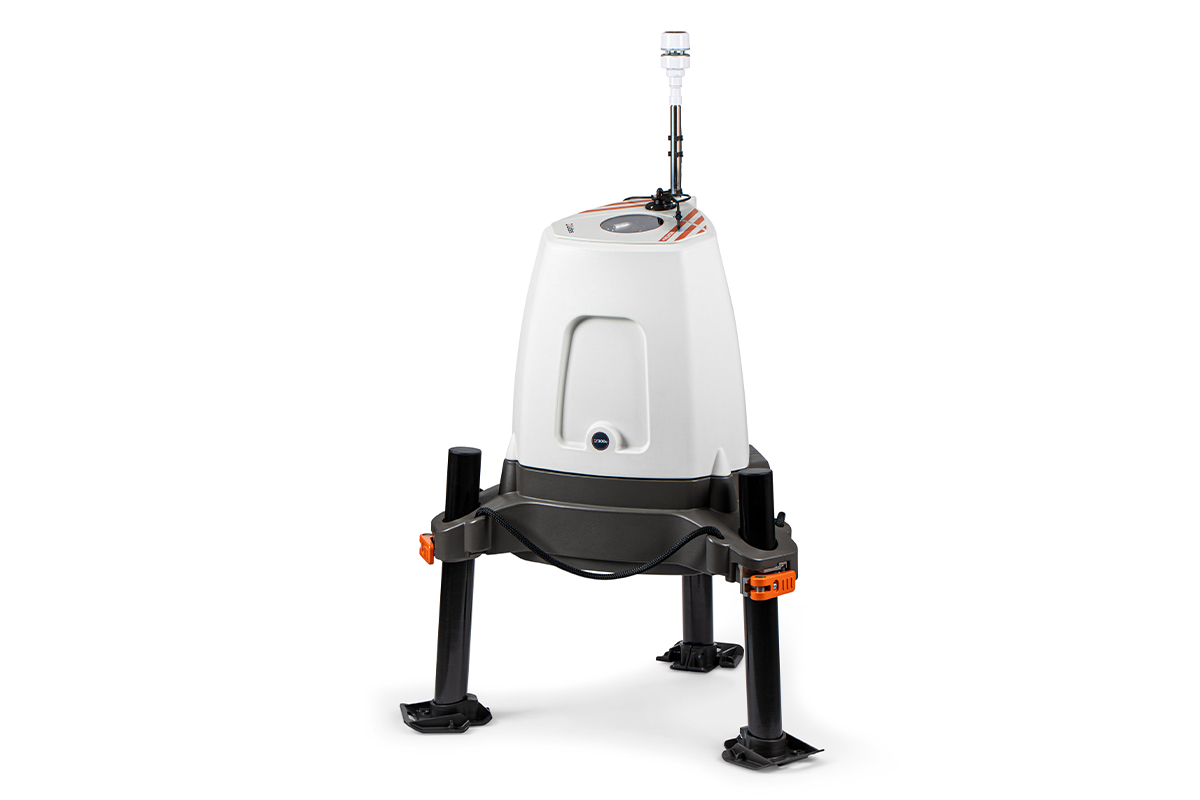
Energy expert and independent technical advisor DNV has completed its independent IEC Classification of the ZX 300e ground-based wind Lidar, confirming the highest performance outcome under the IEC classification framework has been achieved – 0% standard uncertainty and 0% accuracy class.
The assessment was carried out using the complete methodology defined in IEC 61400-50-2 and provides clear, independently verified confidence in the capabilities of the ZX 300e for wind energy assessment and power performance testing. This included multiple test sites, multiple reference masts, several extended campaigns, and a wide range of environmental conditions. ZX Lidars supplied an extensive dataset for a fleet of ZX 300e Lidars that exceeded the minimum requirements of the standard, enabling DNV to evaluate the system’s performance across a broader set of scenarios than is typically available for a Classification of this kind.
As part of the work, the ZX 300e achieved validated performance across a 20–200 m height range, the broadest range confirmed for any wind Lidar under the IEC framework. This corresponds to ZX 300e’s capability to measure from lower heights of 10m upwards, with the lower height in the assessment limited only by the availability of suitable reference measurements at the test sites.
Richard Frühmann, Senior Engineer and technical lead for Lidar services in Northern Europe at DNV, said: “DNV has completed the formal IEC Classification of the ZX 300e, applying the full multi-site and multi-mast methodology set out in IEC 61400-50-2. The ZX 300e achieved zero percent standard uncertainty and an associated zero percent accuracy class. The measurement program surpassed IEC minimum criteria in terms of campaign count and duration, and included full seasonal coverage, thereby enhancing confidence in the final results.”
The Classification confirms the suitability of the ZX 300e for a variety of industry uses where validated wind measurements are required, including energy yield assessments, site suitability and wind turbine power performance testing. The result also builds on the earlier independent classification of the ZX 300, which demonstrated 0% standard uncertainty to 100 m, and now extends validated performance to the higher hub heights widely deployed in modern wind projects.