
Namibia’s Next Oil Test Is Turning Certainty into Action

Namibia has already proved it can attract global attention. The harder test now is whether it can turn offshore discoveries into viable projects, sustained investment and meaningful local participation.
These issues will be part of the discussion when the Namibia Oil and Gas Conference and Exhibition (NOGC 2026) returns to Windhoek from 18–20 August. Now in its fourth edition, the conference will bring together government representatives, operators, investors, financiers, service providers, academics and Namibian businesses.
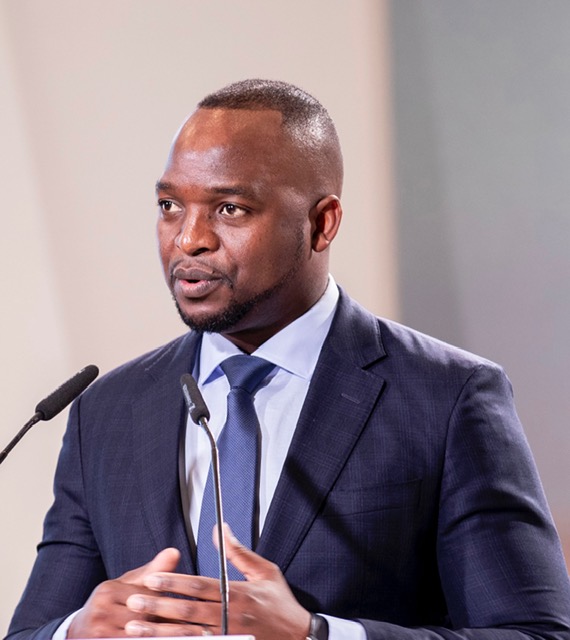
For Shakwa Nyambe, Managing Partner at SNC Incorporated, regulatory certainty will be central to that transition.
“Namibia has earned a strong reputation as an attractive investment destination because of its stable legal framework, respect for the rule of law and predictable licencing regime,” he says. “As the industry moves from exploration towards development, preserving that certainty will remain essential.”
Hosted by the Economic Association of Namibia (EAN), in partnership with the Namibia Investment Promotion and Development Board (NIPDB) and the Hanns Seidel Foundation (HSF), the conference has the National Petroleum Corporation of Namibia (NAMCOR), SNC Incorporated and Rhino Resources as strategic partners. It is officially endorsed by Namibia’s Ministry of Industries, Mines and Energy.
This year’s theme, “From Decision to Dividend: Making Namibia’s Oil Work for Namibians,” reflects how far the industry conversation has moved.
SNC Incorporated has supported the conference as a strategic partner since its inception, giving Nyambe a close view of that evolution. When NOGC began, he says, discussions centred on exploration success, geological potential and attracting investment. Today, attention has shifted towards project development, commercialisation, infrastructure readiness, financing, regulatory reform and preparing Namibia for first oil.
“The next phase requires equal attention to implementation,” he says.
That means keeping regulatory processes efficient, strengthening institutional capacity and developing local supply chains, while creating pathways for Namibian businesses and professionals to participate across the petroleum value chain. Environmental governance and social licence to operate will also remain critical.
For Nyambe, investor confidence and national benefit are not competing objectives. Transparent and consistent regulation can sit alongside practical measures that encourage local participation, skills development, technology transfer and responsible governance.
“Regulation should provide clarity rather than unnecessary complexity, allowing investment decisions to be made with confidence while ensuring meaningful national benefits,” he says.
The programme reflects many of the same concerns. NOGC 2026 includes a Local Content and Suppliers Masterclass and two pitching rounds designed to connect Namibian businesses with operators and other industry stakeholders.
Nyambe wants the conference to produce tangible outcomes.
“I would like to see the conference produce practical outcomes that accelerate Namibia’s transition from discovery to development,” he says, pointing to stronger government-industry collaboration, greater regulatory clarity where needed and concrete commitments that support timely investment decisions.
Namibia has already attracted international attention. What happens next will depend on whether it can move projects forward without weakening the certainty and credibility that helped attract investors.
For programme information and delegate registration, visit www.namibiaoilandgasconf.com