
REA rolls out new solar projects to bridge energy access gap in Nigeria

Rural Electrification Agency (REA) is making giant strides to bridge energy access gap in Nigeria, with new mini-grids solar projects.
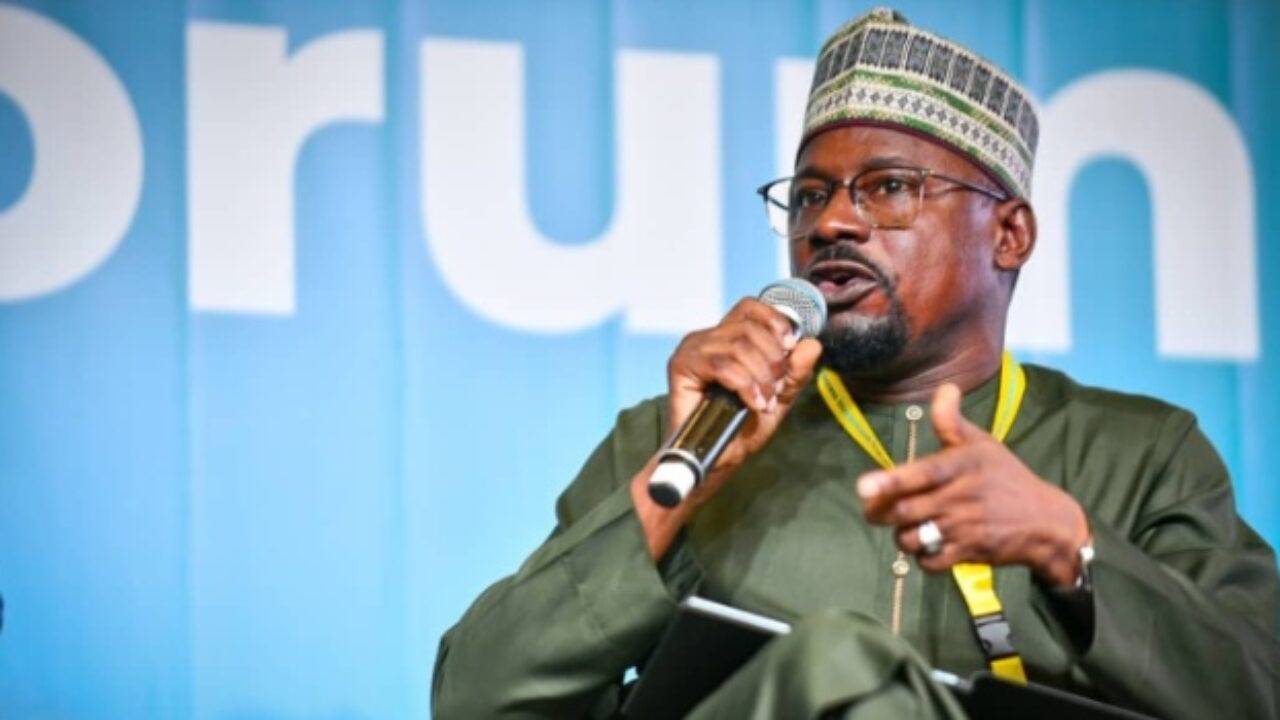
Dr. Abba Abubakar Aliu, Managing Director, REA, made this known in a one-on-one interview with members of African Association of Energy Journalists and Publishers, AJERAP, stating that Nigeria’s electricity crisis remains severe, with about 80 million citizens still lacking reliable power supply.
He said while about half of the 80 million Nigerians have never been connected to electricity, the remaining population is underserved, receiving less than four hours of supply daily.
To bridge the gap, he said the agency is prioritising distributed renewable energy, particularly solar mini-grids, which he described as the most viable solution for rural and hard-to-reach communities.
Aliu explained that extending the national grid to remote areas remains prohibitively expensive, noting that it costs about $1 million to build just one kilometre of distribution line.
According to him, the REA has deployed over 400 mini-grids nationwide, connecting more than 8 million people to electricity.
He added that efforts are being scaled up through a programme targeting 17.5 million Nigerians, with plans to roll out 1,350 mini-grids and 75,000 productive-use energy systems across the country.
He described the initiative as one of the largest publicly funded renewable energy programmes globally, designed to crowd in private sector investment.
Aliu disclosed that about $750 million in public funding is expected to unlock roughly $1.1 billion in private capital, with backing from both local and international financiers.
On planning, he said Nigeria has mapped over 150,000 communities to determine their energy needs and identify the most cost-effective electrification solutions, ranging from mini-grids to solar home systems.
He also highlighted regulatory reforms that have increased allowable mini-grid capacity from one megawatt to 10 megawatts, a move expected to accelerate deployment and enable cross-border electricity trade in West Africa.
Beyond Nigeria, he said the country’s model is gaining traction across the continent, where more than 600 million people still lack access to electricity, stressing that collaboration and knowledge-sharing remain critical to solving Africa’s energy crisis.
Aliu added that Nigeria is positioning itself as a renewable energy manufacturing hub, with growing local capacity and exports already reaching markets such as Ghana.
Despite security challenges in some rural areas, he maintained that strong community engagement and private sector participation have sustained project expansion.
He expressed confidence that Nigeria’s strategy would not only close its electricity access gap but also serve as a blueprint for other African countries pursuing sustainable energy solutions.